

- Home
- >
- Products
- >
- air inlet louver
- >
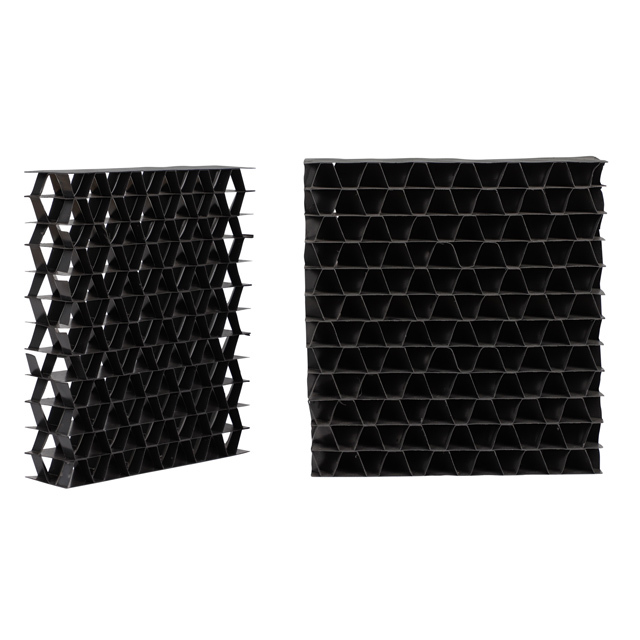
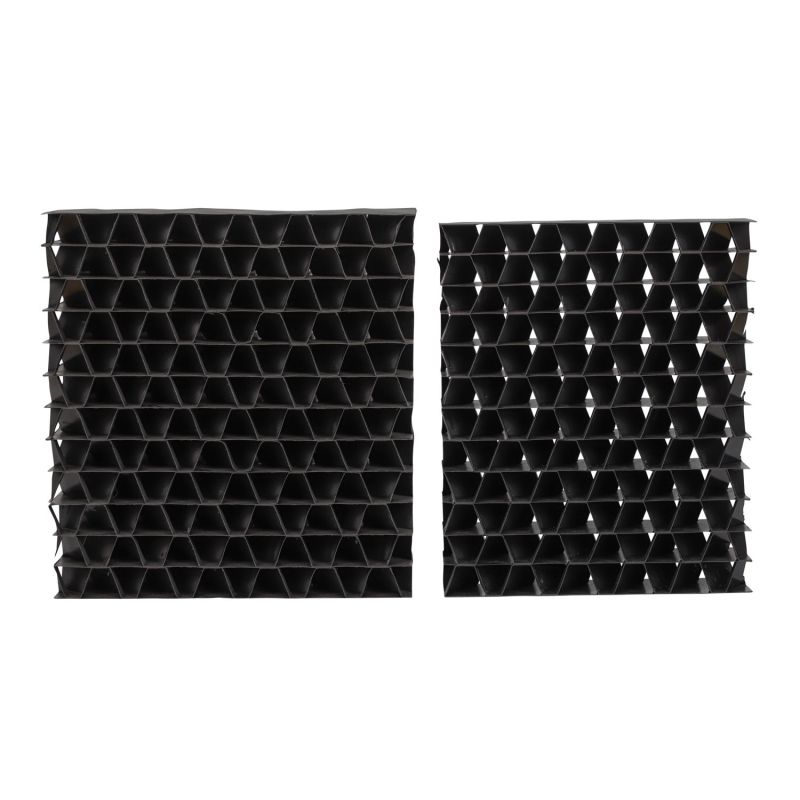
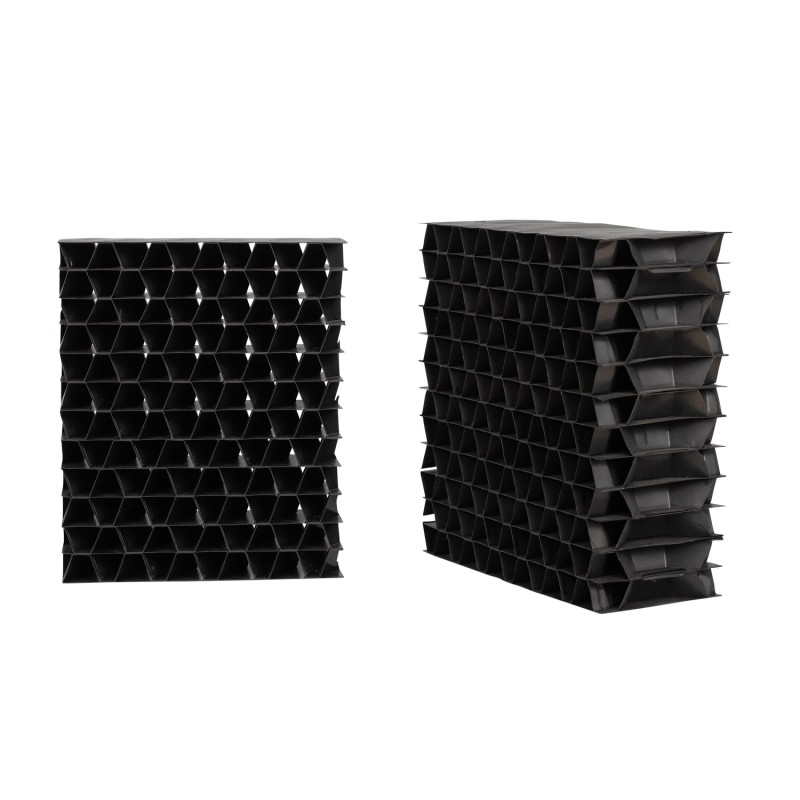
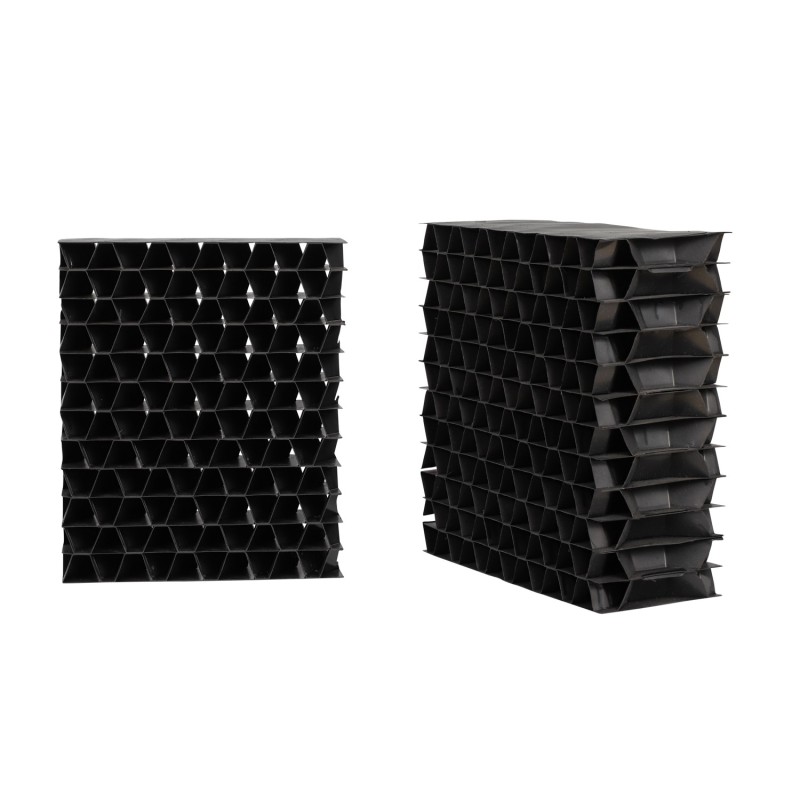
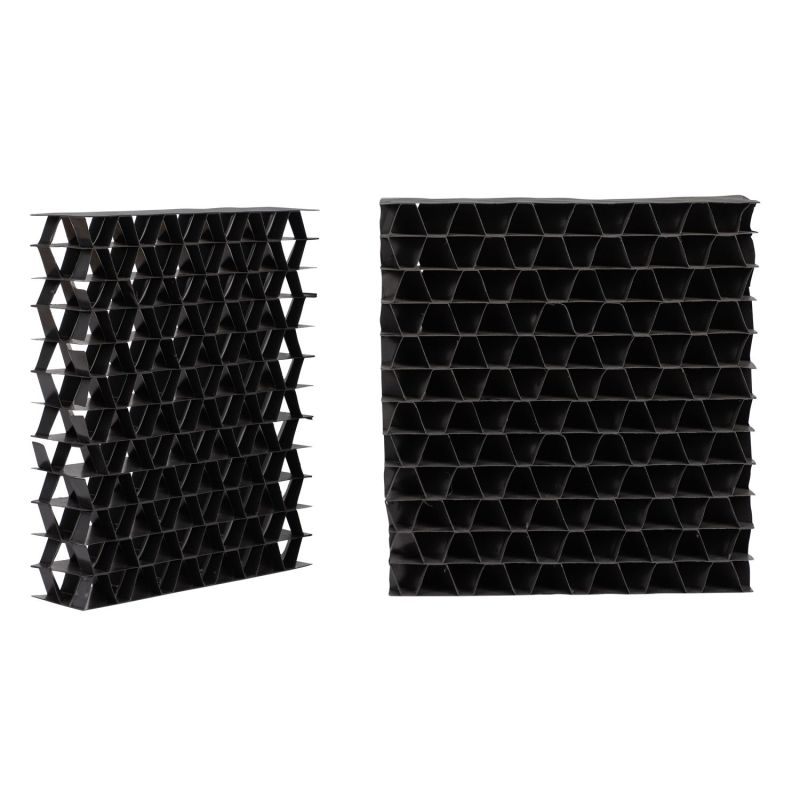
air inlet louver
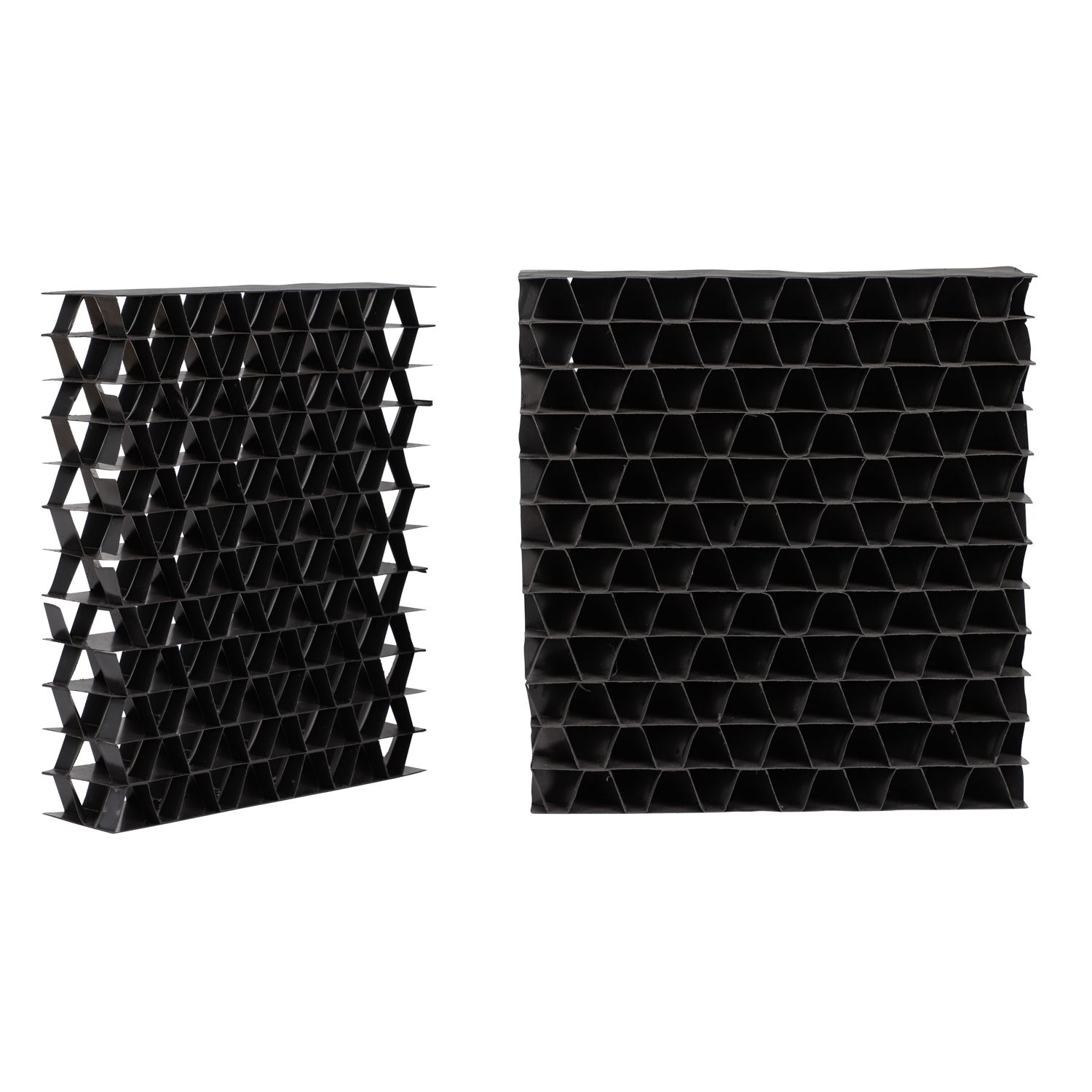
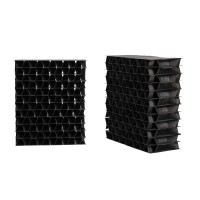
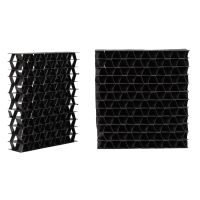
The fill is the most important part of the cooling tower, and its efficiency depends on the degree of sufficient contact between the cooling water and the air in the fill. The filler has a temperature resistance of 50°C to 68°C, aging resistance, excellent performance, UV resistance and long service life.
- LATINO
- China
- within 2 weeks
- 500 m3/day
- Information
- Video
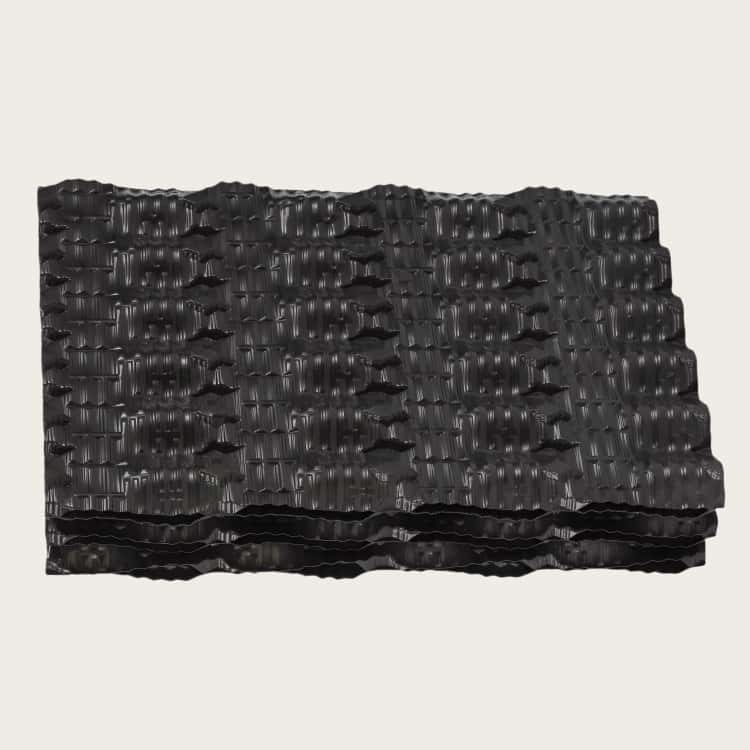
The filler (also referred to as fill media) is a core functional component in a cooling tower system, and its role is far more critical than simple structural filling. Its primary functions are centered on optimizing the heat exchange efficiency between cooling water and ambient air, which can be elaborated in detail as follows:
 1. Prolonging cooling water residence time
The filler is designed with a specific three-dimensional structure (such as corrugated, honeycomb, or louvered shapes). When the cooling water flows from the top of the tower to the bottom through the filler, this special structure slows down the water flow rate significantly. It prevents the water from directly dropping rapidly, thus extending the contact duration between the water and the air. This extended residence time provides a sufficient time window for heat transfer, ensuring that the waste heat in the water can be fully released.
1. Prolonging cooling water residence time
The filler is designed with a specific three-dimensional structure (such as corrugated, honeycomb, or louvered shapes). When the cooling water flows from the top of the tower to the bottom through the filler, this special structure slows down the water flow rate significantly. It prevents the water from directly dropping rapidly, thus extending the contact duration between the water and the air. This extended residence time provides a sufficient time window for heat transfer, ensuring that the waste heat in the water can be fully released.
2. Maximizing the heat exchange area The filler’s surface is engineered to be highly porous and textured. As the cooling water passes through, it is broken down into fine water films, droplets, or thin streams, rather than flowing in a single large stream. This fragmentation effect drastically increases the contact area between the water and the air. The larger the contact area, the more intense the heat exchange, which directly improves the cooling efficiency of the entire tower.
3. Enhancing uniform water distribution Even water distribution is a prerequisite for efficient heat exchange. The filler acts as a "secondary distributor" after the tower’s top water distribution system. Its uniform pore size and regular arrangement ensure that the cooling water is evenly spread across the entire cross-sectional area of the tower. This avoids the formation of local dry spots or water accumulation zones, ensuring that every part of the filler can participate in the heat exchange process, thus maintaining consistent cooling performance throughout the tower.
4. Boosting overall heat dissipation and heat exchange efficiency
By combining the above three functions, the filler ultimately achieves the dual goals of increasing heat dissipation capacity and enhancing heat exchange intensity. In industrial production and refrigeration systems, a large amount of waste heat is generated during the operation of equipment such as compressors, furnaces, and heat exchangers. This waste heat is typically transferred to the cooling water, which then circulates to the cooling tower. The filler facilitates the heat exchange between the hot cooling water and the forced convection air (driven by the cooling tower fan), transferring the waste heat from the water to the air and then discharging it into the atmosphere, thereby cooling the hot water to a temperature suitable for recycling.